What is Minimally Invasive Bunion Surgery?

Who is an ideal candidate for this treatment?

  • Have a painful, mild to moderate bunion deformity that limits daily activities.
  • Patients who prioritize a faster return to walking, who are concerned about cosmetic outcomes, and want a less invasive surgical option.
  • Attempted conservative non-surgical treatments without relief.

Is bunion pain reducing the quality of life? Scarf or Austin osteotomy offers a long-term solution that realigns your foot, relieves pain, and restores function.

Book Now

Do I need help? Possible Signs

  • A visible bump at the base of your big toe is frequently red, swollen, or warm to the touch.
  • Your big toe is visibly drifting toward or is pushing against your second toe. This is known as the bunion lean.
  • Swelling, redness, or inflammation could include calluses on the “bump”.
  • Persistent joint pain or soreness manifests as a dull ache or sharp pain at the base of the big toe, especially after walking.
  • You’ve stopped exercising or attending social events because of foot fatigue.

What to expect before surgery?

  • Compassionate Care
  • Thorough Examination & Personalized Treatment Plan
  • Patient’s Goals Discussed & Straight Answers to Difficult Questions
  • Support You Can Count On
Non-Surgical options
  • Footwear Education: Educating patients to switch to a more supportive/wider toe box to reduce friction.
  • Activity Modifications: Identifying movements that aggravate the joint and finding possible alternatives that cause less aggravation.
  • Anti-inflammatory medications or ice and rest to reduce inflammation or swelling.
  • Padding, splinting, and custom orthotics: The goal is to redistribute pressure and provide temporary symptomatic relief.

Definition of Treatments: What is it? What is done?

The key difference between traditional surgery and Minimally Invasive Bunion Surgery (MIS) is that MIS uses smaller incisions, which may result in less soft tissue disruption, reduced scarring, and potentially faster recovery.

Using specialized micro-tools and real-time X-ray guidance (fluoroscopy), the surgeon performs the osteotomy through tiny incisions around the bunion, rather than one large opening. Since there is no need to “strip” the soft tissue or move tendons away from the bone as extensively as traditional surgery, there is significantly less trauma to the foot. The bone is then stabilized with specialized internal very small screws designed for the MIS approach.

FAQs

Mobility

Most MIS patients can walk the same day and as much “weight-bearing as tolerated” immediately after surgery in a specialized, protected post-op boot for the first 7 days. The next 2-6 weeks are spent transitioning into more activity in the surgical shoe.

Risk of Recurrence

The recurrence rate for MIS is comparable to that of traditional surgery, which is extremely low, provided the patient follows post-op alignment protocols.

Cosmetic Consideration

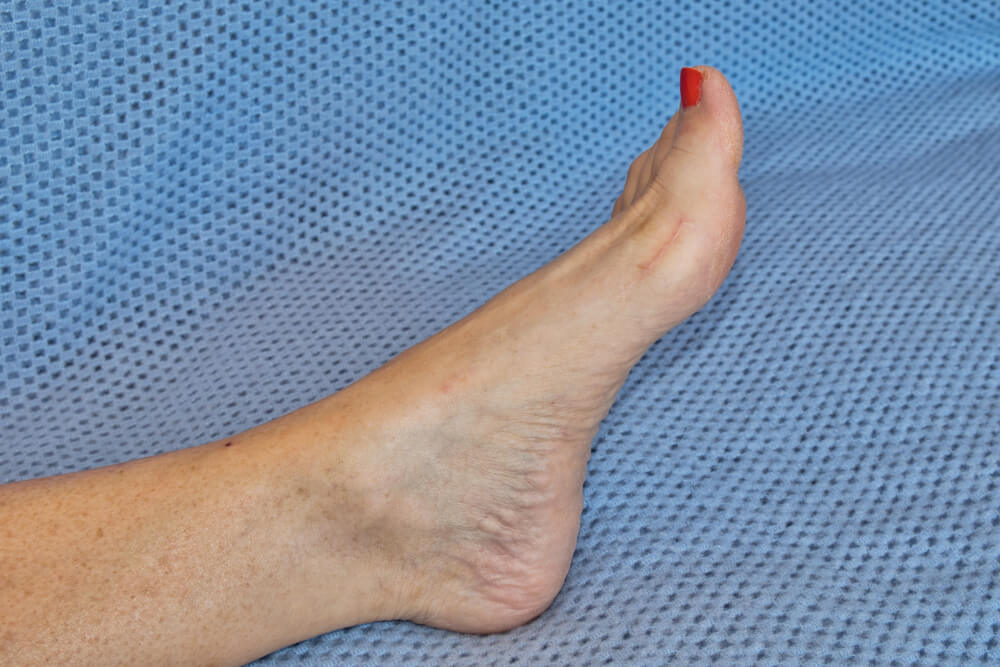
Since the incisions are less than 3 mm in length, any scarring is virtually invisible once healed.

Recovery Timeline

  • In the first two weeks, the focus is on resting. Weight-bearing is possible in the first two weeks, but it is limited and only done while wearing a post-op boot.
  • The next 2-6 weeks are spent transitioning to more activity in the surgical shoe.
  • Between 6-8 weeks, patients can typically return to sneakers, and full recovery is expected in 2-4 months.

Considerations/Risks

Typical
  • Swelling and bruising that can last weeks to first couple of months
  • Mild postoperative pain and swelling
  • Temporary stiffness in the big toe joint
  • Minor “Pins & Needles” Numbness Near Big Toe
Atypical
  • Infection
  • Under or over-correction of the alignment
  • Possible hardware irritation
  • Recurrence of the bunion over time

Post Surgery Care & Restrictions

  • High-impact Restrictions Initially: activities, running, and strenuous exercise will be limited initially.
  • Protective Footwear: A surgical shoe or boot to support healing is worn
  • Regular Follow-Up Visits with the provider

Why Choose Lone Star?

  • Board-Certified Orthopaedic Surgeons with Exceptional Expertise
  • Advanced Surgical Techniques and Technology
  • Reputation for Patient-Centered Care and Results
  • Collaborative Care Team Approach

Disclaimers:

  • The information provided on www.lonestar-ortho.net is intended for general informational and educational purposes only. The content on this website is presented in summary form, general in nature, and should not be considered medical advice, diagnosis, or treatment recommendations.

  • The materials and information provided on this website are not intended to replace professional medical advice, care, or consultation with a qualified healthcare provider. Always seek the advice of your physician or another qualified healthcare professional regarding any medical condition, treatment option, or health concern.

  • Do not ignore professional medical advice or delay seeking care because of something you read on this website. If you think you may have a medical emergency, call 911 or seek immediate medical attention.

Book Your Appointment Today

Minimally Invasive Surgery offers a life without bunion pain with less interruption or fear of a long recovery. Minimally Invasive Bunion Surgery uses small incisions that have big results.